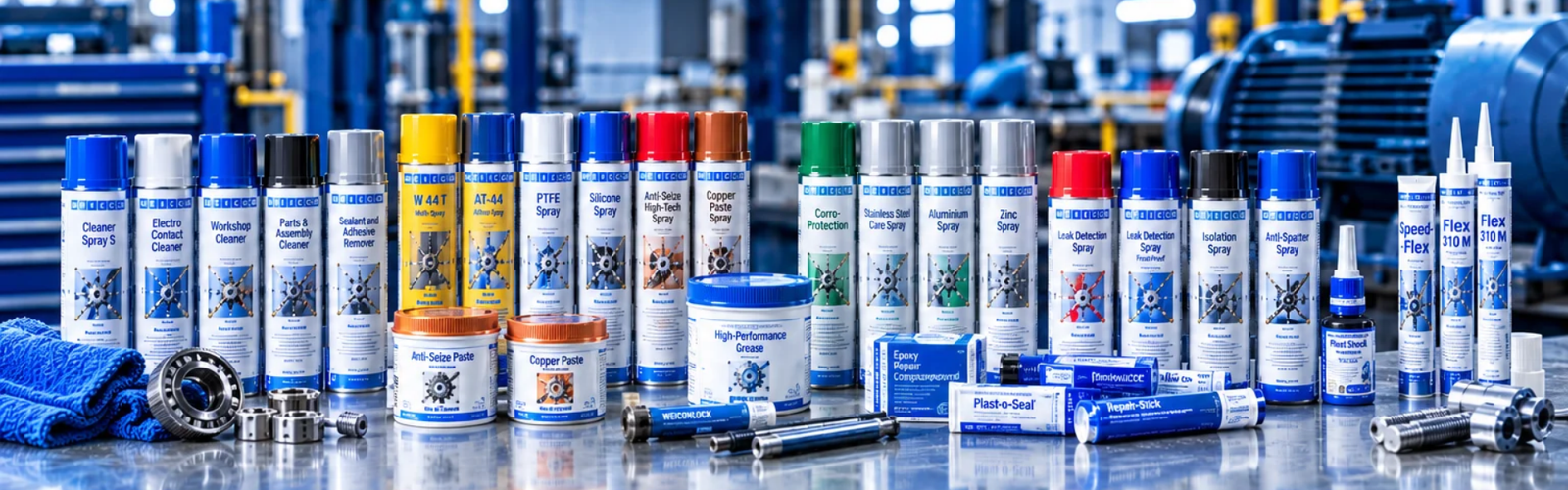
How to Reduce Unplanned Industrial Equipment Downtime
Admin
|
20 Oct 2026
|
13 min read
|
5 views
How to Reduce Unplanned Industrial Equipment Downtime
Introduction
Unplanned industrial equipment downtime is one of the most expensive and disruptive problems faced by manufacturers, engineering businesses, maintenance teams and industrial facilities.
When a critical machine unexpectedly stops operating, the impact can extend far beyond the equipment itself. Production schedules can be interrupted, employees may be unable to continue their work, delivery deadlines can be affected, maintenance teams may need to respond immediately, and businesses can face significant repair and operational costs.
For industries that depend on continuous production, equipment reliability is not simply a maintenance objective — it is a critical part of business performance.
The good news is that many equipment failures can be reduced through a structured industrial maintenance strategy. Regular inspections, preventive maintenance, correct lubrication, proper cleaning, corrosion protection, timely component replacement and the use of suitable industrial maintenance products can all contribute to improved equipment reliability.
In this guide, we explore the major causes of unplanned industrial equipment downtime and practical ways businesses can reduce the risk of unexpected failures.
What Is Unplanned Industrial Equipment Downtime?
Unplanned industrial equipment downtime occurs when machinery, production equipment or an industrial system becomes unavailable unexpectedly and cannot perform its intended function.
Unlike scheduled maintenance downtime, which is planned in advance, unplanned downtime occurs without warning.
Examples include:
- A motor unexpectedly stops working
- A production machine overheats
- An electrical connection fails
- A bearing becomes damaged
- A component corrodes
- A cable becomes damaged
- A machine develops a lubrication-related problem
- A control system experiences a fault
- A mechanical connection becomes loose
- A critical component reaches failure before replacement
Even a relatively short interruption can create significant operational problems when the affected equipment is part of a larger production process.
Why Does Industrial Equipment Downtime Matter?
Industrial equipment is often interconnected.
One machine may feed material into another machine, which then transfers the output to another stage of the production process. If one critical component fails, the resulting disruption can affect multiple stages of production.
Unplanned downtime can contribute to:
1. Production Delays
When machinery stops unexpectedly, production may have to stop or operate at reduced capacity.
2. Emergency Maintenance
Maintenance teams may need to immediately diagnose and repair the equipment instead of following their planned maintenance schedule.
3. Increased Repair Costs
Emergency repairs can sometimes require urgent parts, additional labour and accelerated service arrangements.
4. Reduced Productivity
Employees may be unable to perform their normal tasks while equipment is unavailable.
5. Delivery Disruptions
Production delays can affect order fulfilment and delivery schedules.
6. Equipment Damage
A relatively small problem can potentially become more serious if it is not identified early.
7. Safety Concerns
Equipment operating outside normal conditions can create additional risks for workers and surrounding machinery.
For these reasons, reducing unplanned downtime should be an important part of an industrial maintenance strategy.
What Causes Unplanned Equipment Downtime?
There is rarely a single cause of industrial equipment failure.
Downtime can result from mechanical, electrical, environmental, operational or maintenance-related issues.
Some of the most common causes include:
Mechanical Wear
Moving components naturally experience wear over time.
Bearings, fasteners, gears, shafts, seals and other components may gradually deteriorate when exposed to continuous operation, vibration, friction and load.
Without appropriate inspection and maintenance, excessive wear can eventually lead to equipment failure.
Poor Lubrication
Lubrication plays an important role in many industrial machines.
Insufficient lubrication can increase friction and wear, while using an unsuitable lubricant can also affect equipment performance.
Regular lubrication checks and the use of products suitable for the specific application can help support equipment reliability.
Corrosion
Industrial equipment may operate in environments where moisture, chemicals, temperature variations or contaminants are present.
Over time, these conditions can contribute to corrosion.
Corrosion can affect:
- Metal components
- Fasteners
- Electrical connections
- Machinery surfaces
- Tools
- Equipment housings
- Mechanical assemblies
A suitable corrosion protection strategy can help protect valuable equipment and components.
Electrical Problems
Electrical faults can also contribute to unexpected equipment failure.
Potential issues include:
- Loose connections
- Contaminated contacts
- Damaged cables
- Moisture
- Corrosion
- Insulation problems
- Component degradation
Regular electrical inspections and appropriate cleaning and maintenance can help identify problems before they become more serious.
Contamination
Dust, oil, moisture, chemicals and other contaminants can affect industrial equipment.
Contamination can interfere with moving components, electrical contacts, sensors and other critical systems.
Keeping equipment clean and using suitable industrial cleaning products can therefore be an important part of preventive maintenance.
Improper Installation
Equipment problems can sometimes begin during installation.
Incorrect assembly, insufficient tightening, improper alignment, unsuitable materials or incorrect installation procedures can create problems that appear much later during operation.
Following manufacturer recommendations and using appropriate tools and products can reduce installation-related issues.
10 Ways to Reduce Unplanned Industrial Equipment Downtime
A proactive maintenance strategy can significantly improve equipment reliability.
Here are ten practical approaches businesses can consider.
1. Implement Preventive Maintenance
Preventive maintenance involves carrying out inspections, servicing, cleaning, lubrication and component replacement according to a planned schedule.
Instead of waiting until equipment fails, maintenance teams regularly inspect equipment and address potential problems before they become critical.
A preventive maintenance program may include:
- Routine inspections
- Lubrication
- Cleaning
- Tightening
- Component replacement
- Electrical checks
- Corrosion inspection
- Safety inspections
- Performance monitoring
The exact maintenance schedule should be based on the equipment, operating environment, manufacturer recommendations and actual operating conditions.
2. Inspect Equipment Regularly
Regular inspections can help maintenance teams identify early warning signs.
Look for:
- Unusual noise
- Excessive vibration
- Overheating
- Corrosion
- Oil leakage
- Loose components
- Damaged cables
- Contamination
- Unusual odours
- Changes in machine performance
Small changes in equipment behaviour can sometimes indicate an emerging problem.
Identifying these changes early gives maintenance teams an opportunity to investigate before the problem develops into an unexpected failure.
3. Maintain Proper Lubrication
Lubrication should be treated as an important component of industrial equipment maintenance.
Maintenance teams should consider:
- The correct lubricant
- Appropriate application method
- Application frequency
- Operating temperature
- Environmental conditions
- Load and operating conditions
- Compatibility with equipment materials
Using too little lubricant can result in increased friction and wear, while using an unsuitable product may not provide the required protection.
A properly managed lubrication program can help support smoother equipment operation and component longevity.
4. Protect Equipment Against Corrosion
Corrosion prevention is particularly important for equipment exposed to moisture, chemicals, outdoor environments or harsh industrial conditions.
A corrosion protection strategy may include:
- Regular cleaning
- Surface inspection
- Protective coatings
- Corrosion protection products
- Appropriate storage
- Environmental controls
- Regular maintenance inspections
Technical sprays and other maintenance products can be useful in appropriate applications for protecting metal components and maintaining equipment.
5. Keep Electrical Connections Clean
Electrical contacts can be affected by dirt, oil, moisture and oxidation.
Poor electrical contact can potentially result in unreliable operation or equipment faults.
Where appropriate, maintenance teams can use suitable electrical contact cleaning products to remove contaminants and support reliable electrical connections.
However, electrical maintenance should always be performed by appropriately trained personnel following applicable safety procedures and equipment instructions.
6. Use the Right Industrial Maintenance Products
The quality and suitability of maintenance products can have a direct impact on maintenance outcomes.
Industrial businesses may require products such as:
- Technical sprays
- Industrial cleaners
- Lubricants
- Corrosion protection products
- Penetrating products
- Threadlockers
- Sealants
- Industrial adhesives
- Repair compounds
- Cable preparation tools
- Electrical maintenance products
The important point is not simply having a large inventory of products.
Maintenance teams should have access to the right product for the right application.
Selecting products based on equipment requirements, material compatibility, environmental conditions and manufacturer recommendations can help improve maintenance effectiveness.
7. Train Maintenance Teams
Even high-quality maintenance products and equipment cannot replace proper knowledge and training.
Maintenance personnel should understand:
- Equipment operating principles
- Maintenance procedures
- Inspection requirements
- Product applications
- Safety procedures
- Manufacturer recommendations
- Correct tool usage
- Troubleshooting procedures
Training can help reduce incorrect maintenance practices and improve consistency across the maintenance team.
8. Maintain Critical Spare Parts
Not every component needs to be stored in large quantities.
However, businesses should identify components that could cause significant disruption if they fail and determine appropriate spare-part requirements.
Critical spare parts may include components that are:
- Difficult to source
- Long lead-time items
- Essential to production
- Frequently replaced
- Unique to specific equipment
Maintaining appropriate stock levels can help reduce the duration of downtime when a component unexpectedly fails.
9. Use Condition Monitoring
Condition monitoring involves observing equipment performance and identifying changes that may indicate developing problems.
Depending on the equipment, businesses may monitor:
- Temperature
- Vibration
- Pressure
- Noise
- Electrical performance
- Lubricant condition
- Operating cycles
- Machine output
Condition monitoring can help maintenance teams move from a purely reactive approach toward a more proactive maintenance strategy.
10. Analyse Previous Equipment Failures
Every equipment failure provides useful information.
After a significant failure, maintenance teams should ask:
What happened?
Why did it happen?
Could it have been detected earlier?
Was the maintenance schedule appropriate?
Was the correct product or component used?
Was there an installation or operational issue?
How can the same failure be prevented in the future?
Recording and analysing recurring failures can help businesses improve their maintenance programs over time.
Preventive Maintenance vs Reactive Maintenance
A reactive maintenance strategy waits until equipment fails before taking action.
A preventive maintenance strategy attempts to identify and address potential problems before failure.
Reactive Maintenance
Equipment operates
↓
Problem develops
↓
Equipment fails
↓
Emergency response
↓
Diagnosis
↓
Repair
↓
Production resumes
Preventive Maintenance
Equipment operates
↓
Regular inspection
↓
Potential issue identified
↓
Maintenance scheduled
↓
Problem addressed
↓
Equipment continues operating
Preventive maintenance does not mean that equipment will never fail.
Industrial equipment can still experience unexpected problems.
However, a structured preventive maintenance program can help businesses identify potential issues earlier and reduce avoidable failures.
The Role of Technical Sprays in Industrial Maintenance
Technical sprays can support a wide range of industrial maintenance applications.
Depending on the product, technical sprays may be used for:
- Cleaning
- Lubrication
- Corrosion protection
- Contact cleaning
- Rust removal
- Penetration
- Surface treatment
- Moisture displacement
- Maintenance of mechanical components
The correct product should always be selected according to the specific application and manufacturer's instructions.
For example, a product designed for electrical contact cleaning should not automatically be treated as a general-purpose lubricant.
Understanding the intended application is essential.
The Role of Industrial Adhesives and Sealants
Industrial adhesives and sealants can also play an important role in equipment assembly and maintenance.
Depending on the application, they can be used for:
- Bonding
- Sealing
- Thread locking
- Component retention
- Repair
- Vibration resistance
- Gap filling
- Assembly applications
Industrial adhesives can sometimes provide an alternative or complementary solution to traditional mechanical fastening methods.
However, product selection should consider factors such as:
- Material compatibility
- Temperature
- Chemical exposure
- Mechanical load
- Curing requirements
- Environmental conditions
- Application method
The Importance of Cable and Electrical Maintenance
Electrical systems are essential to modern industrial operations.
A damaged cable, unreliable connection or poorly maintained electrical component can affect an entire machine or production system.
Maintenance teams should regularly inspect:
- Cables
- Connectors
- Electrical contacts
- Control panels
- Wiring
- Insulation
- Terminations
Professional cable preparation tools can also help technicians perform consistent cable preparation during installation and maintenance activities.
Using the correct tools can improve work quality and help reduce avoidable installation problems.
Create an Industrial Maintenance Checklist
A simple maintenance checklist can help teams maintain consistency.
Your checklist may include:
Daily
- Check unusual noises
- Check vibration
- Check visible leaks
- Check operating temperatures
- Check machine cleanliness
- Check obvious damage
Weekly
- Inspect cables
- Inspect electrical connections
- Check lubrication points
- Inspect exposed metal surfaces
- Check fasteners and mechanical connections
- Review equipment performance
Monthly
- Conduct detailed equipment inspection
- Review maintenance records
- Inspect corrosion
- Check critical components
- Review spare parts
- Analyse recurring problems
Periodically
- Review preventive maintenance schedules
- Inspect high-wear components
- Replace components according to manufacturer recommendations
- Review equipment condition
- Update maintenance procedures
- Conduct maintenance team training
The exact frequency should always be adjusted according to the specific equipment, manufacturer recommendations and operating environment.
How to Build a Downtime Reduction Strategy
Reducing unplanned downtime should be treated as an ongoing process rather than a one-time project.
A practical approach is:
Step 1 — Identify Critical Equipment
Determine which machines and systems have the greatest impact on production.
Step 2 — Identify Common Failure Modes
Review maintenance records and determine what typically causes equipment problems.
Step 3 — Establish Preventive Maintenance
Create inspection, cleaning, lubrication and replacement schedules.
Step 4 — Standardise Maintenance Products
Identify the products and tools required for common maintenance tasks.
Step 5 — Train Personnel
Ensure maintenance teams understand equipment procedures and product applications.
Step 6 — Monitor Equipment
Track operating conditions and identify changes in performance.
Step 7 — Record Failures
Document what failed, why it failed and what was done to resolve the issue.
Step 8 — Improve Continuously
Use maintenance data to improve schedules, procedures and equipment reliability.
Choosing the Right Industrial Maintenance Products
When selecting industrial maintenance products, don't choose purely based on price.
Consider:
Application
What exactly is the product being used for?
Material
What materials will the product contact?
Environment
Will the product be exposed to:
- Heat?
- Moisture?
- Chemicals?
- Dust?
- Vibration?
- Outdoor conditions?
Performance Requirements
What level of mechanical, chemical or environmental resistance is required?
Application Method
Can the product be applied safely and efficiently using the available equipment?
Manufacturer Recommendations
Always consider the recommendations and technical information provided by the equipment and product manufacturers.
Why Australian Businesses Need a Reliable Industrial Supply Partner
Industrial maintenance teams need more than access to products.
They need reliable supply, technical information and responsive support.
A dependable industrial supplier can help businesses:
- Identify suitable products
- Source genuine products
- Understand product applications
- Obtain technical documentation
- Manage recurring requirements
- Find suitable maintenance solutions
- Reduce procurement complexity
For Australian manufacturers, engineering businesses, maintenance teams and industrial contractors, having a reliable local supply partner can make product sourcing more efficient.
How Spleca Supports Industrial Maintenance
Spleca supplies industrial automation products, electrical components, industrial chemicals, technical sprays, WEICON products, cable preparation tools and engineering solutions for businesses across Australia.
Our product range is designed to support a wide variety of industrial applications, including manufacturing, maintenance, electrical work, engineering, automation and equipment servicing.
Whether you need a technical spray for maintenance, a professional cable preparation tool, an industrial adhesive, a cleaning product or another specialised industrial solution, our team can help you identify the right product for your application.
We focus on supplying genuine products while providing responsive customer service and technical support to help Australian businesses make informed purchasing decisions.
Frequently Asked Questions
What is unplanned industrial downtime?
Unplanned industrial downtime occurs when equipment unexpectedly stops operating or becomes unavailable due to a failure, fault or other unexpected problem.
What causes industrial equipment downtime?
Common causes include mechanical wear, poor lubrication, corrosion, electrical faults, contamination, improper installation, component failure and inadequate maintenance.
How can preventive maintenance reduce downtime?
Preventive maintenance allows businesses to inspect, clean, lubricate, service and replace components before potential problems become major equipment failures.
What maintenance products can help reduce downtime?
Depending on the application, industrial maintenance products can include technical sprays, lubricants, cleaners, corrosion protection products, adhesives, sealants, repair compounds and specialised tools.
How often should industrial equipment be maintained?
There is no universal maintenance interval. The appropriate schedule depends on the equipment, manufacturer recommendations, operating conditions, workload and maintenance history.
Can industrial adhesives be used for equipment maintenance?
Yes. Depending on the application, industrial adhesives can be used for bonding, sealing, thread locking, component retention, repair and other maintenance applications.
Why is corrosion prevention important?
Corrosion can gradually damage metal components and equipment. Regular inspection and appropriate corrosion protection can help maintain equipment condition.
What is condition monitoring?
Condition monitoring involves observing equipment characteristics such as temperature, vibration, pressure or other operating parameters to identify changes that may indicate developing problems.
Conclusion
Unplanned industrial equipment downtime can have a significant impact on production, maintenance operations and overall business performance.
While unexpected failures cannot always be completely eliminated, businesses can take practical steps to reduce their frequency and impact.
A strong industrial maintenance strategy should combine preventive maintenance, regular inspections, proper lubrication, corrosion protection, electrical maintenance, condition monitoring, employee training, critical spare parts and appropriate industrial maintenance products.
The most effective approach is proactive rather than reactive.
Instead of waiting for equipment to fail, maintenance teams should continuously monitor equipment condition, identify potential problems early and take appropriate action before minor issues develop into major failures.
For Australian industrial businesses, partnering with a reliable supplier can also simplify access to genuine industrial products, technical solutions and application support.
Spleca provides industrial automation products, WEICON solutions, technical sprays, industrial chemicals, cable preparation tools, electrical products and engineering solutions to support businesses across Australia.
If you are looking for the right product for a specific maintenance application, contact the Spleca team for product information and technical assistance.
Explore Spleca
Browse Industrial Products →
Explore WEICON Products →
View Technical Sprays →
Explore Industrial Maintenance Solutions →
Contact Our Technical Team →
Explore Industrial Automation Products