Preventive Maintenance: Complete Guide for Industrial Businesses
Admin
|
18 Oct 2026
|
12 min read
|
22 views
Preventive Maintenance: The Complete Guide for Industrial Businesses
Introduction
Unexpected equipment failure can create significant challenges for industrial businesses.
A machine stops working. Production slows down. Technicians need to identify the problem. Replacement components may need to be sourced. Maintenance teams have to respond quickly, and production schedules can be affected.
While equipment failures cannot always be completely eliminated, businesses can take a proactive approach to managing their equipment through preventive maintenance.
Preventive maintenance focuses on planned inspection, servicing, cleaning, adjustment, testing and replacement activities intended to keep equipment operating reliably and identify potential problems before they become more serious.
For manufacturing facilities, industrial automation systems, electrical equipment, machinery, control panels and production environments, preventive maintenance can become an important part of an overall maintenance strategy.
This guide explains what preventive maintenance is, how it works, why it matters, what should be included in a preventive maintenance program and how industrial businesses can develop a practical maintenance strategy.
What Is Preventive Maintenance?
Preventive maintenance is a planned approach to maintaining equipment before a major failure occurs.
Instead of waiting for equipment to stop working, maintenance activities are scheduled at predetermined intervals or based on known operating conditions.
These activities can include:
- Equipment inspections
- Cleaning
- Lubrication
- Tightening connections
- Component replacement
- Electrical inspections
- Functional testing
- Calibration
- Filter replacement
- Wear inspection
- Safety checks
- Performance monitoring
The exact maintenance activities depend on the equipment, manufacturer's recommendations, operating environment and business requirements.
Why Is Preventive Maintenance Important?
Industrial equipment is often exposed to continuous operation, vibration, heat, dust, moisture, electrical loads and mechanical stress.
Over time, components can wear or performance can change.
Without an appropriate maintenance strategy, small issues may develop into larger problems.
Preventive maintenance provides a structured way to inspect equipment and address maintenance requirements before they become major operational problems.
Potential benefits include:
- Improved equipment reliability
- Better maintenance planning
- Reduced unexpected downtime
- Improved equipment performance
- Better visibility of equipment condition
- More organised maintenance activities
- Improved component management
- Better maintenance budgeting
Preventive maintenance should be considered as part of a broader reliability and asset-management strategy rather than simply a list of routine tasks.
Preventive Maintenance vs Waiting for Failure
There are two fundamentally different approaches to equipment maintenance.
Reactive Maintenance
Reactive maintenance occurs after equipment fails or a problem becomes apparent.
The typical process is:
Failure → Diagnosis → Repair → Restart
This approach may be necessary in certain situations, but relying entirely on reactive maintenance can make maintenance work unpredictable.
Preventive Maintenance
Preventive maintenance takes a proactive approach:
Plan → Inspect → Maintain → Monitor
Instead of waiting for equipment to fail, maintenance activities are scheduled in advance.
The goal is to identify and address potential issues before they develop into disruptive failures.
How Does Preventive Maintenance Work?
A preventive maintenance program generally involves several stages.
Step 1: Identify Equipment
Create an inventory of the equipment that requires maintenance.
This could include:
- Production machinery
- Motors
- Pumps
- Compressors
- Conveyors
- Electrical panels
- PLC systems
- Drives
- Sensors
- Control systems
- Safety equipment
Step 2: Understand Equipment Requirements
Review the manufacturer's maintenance recommendations and technical documentation.
Important information can include:
- Recommended inspection intervals
- Lubrication requirements
- Replacement intervals
- Operating limits
- Cleaning procedures
- Calibration requirements
- Safety instructions
Manufacturer recommendations should be considered when developing maintenance schedules.
Step 3: Determine Maintenance Frequency
Different equipment requires different maintenance intervals.
Maintenance can be scheduled:
- Daily
- Weekly
- Monthly
- Quarterly
- Biannually
- Annually
- Based on operating hours
- Based on production cycles
- Based on equipment condition
The correct interval depends on the equipment and operating environment.
Preventive Maintenance Checklist
A preventive maintenance checklist can help technicians follow a consistent process.
A general industrial checklist may include:
Visual Inspection
Check for:
- Physical damage
- Loose components
- Corrosion
- Leakage
- Unusual wear
- Contamination
Electrical Inspection
Check relevant electrical components for:
- Loose connections
- Visible damage
- Signs of overheating
- Cable condition
- Connector condition
- Enclosure condition
Mechanical Inspection
Check:
- Bearings
- Belts
- Chains
- Couplings
- Shafts
- Fasteners
- Moving components
Cleaning
Remove:
- Dust
- Dirt
- Debris
- Contamination
- Material build-up
Lubrication
Where applicable, inspect and lubricate components according to manufacturer recommendations.
Functional Testing
Verify that the equipment performs as intended.
Preventive Maintenance for Industrial Automation
Industrial automation systems contain many interconnected components.
These can include:
- PLCs
- HMIs
- Sensors
- Actuators
- Variable frequency drives
- Servo systems
- Motors
- Industrial networks
- Control panels
- Safety systems
A problem in one component can sometimes affect the wider automation system.
Preventive maintenance can therefore include inspection and testing of automation-related equipment.
Preventive Maintenance for Control Panels
Control panels should be included in an appropriate maintenance program.
Maintenance teams can inspect:
- Enclosures
- Wiring
- Terminal connections
- Components
- Cooling systems
- Fans
- Filters
- Indicators
- Circuit protection devices
- Control equipment
Electrical maintenance should always be performed by appropriately qualified personnel and according to applicable safety procedures.
Preventive Maintenance for Electrical Equipment
Electrical systems require appropriate inspection and maintenance to support safe and reliable operation.
Depending on the equipment, maintenance activities can include:
- Visual inspection
- Connection inspection
- Cleaning
- Testing
- Component inspection
- Thermal inspection where appropriate
- Cable inspection
- Protection-system checks
The exact maintenance process should follow equipment documentation and relevant safety requirements.
Preventive Maintenance for Machinery
Mechanical equipment can experience wear due to continuous operation.
Maintenance teams may monitor:
- Bearings
- Belts
- Chains
- Gears
- Couplings
- Motors
- Lubrication systems
- Moving assemblies
Early identification of abnormal wear can allow maintenance teams to plan corrective action rather than responding unexpectedly to a breakdown.
The Role of Inspection in Preventive Maintenance
Inspection is one of the most important components of preventive maintenance.
An inspection allows technicians to identify changes in equipment condition.
Examples include:
- Unusual noise
- Excessive vibration
- Temperature changes
- Visible wear
- Leakage
- Loose connections
- Corrosion
- Reduced performance
Not every abnormal condition will immediately result in equipment failure, but documenting changes can help maintenance teams make better decisions.
Preventive Maintenance and Equipment Reliability
Equipment reliability is closely connected to maintenance practices.
A structured preventive maintenance program can help businesses:
- Understand equipment condition
- Identify recurring issues
- Plan maintenance activities
- Track component replacements
- Improve maintenance scheduling
- Reduce unexpected maintenance work
However, preventive maintenance should not mean replacing every component simply because a calendar date has arrived.
Maintenance intervals should be based on equipment requirements, operating conditions, manufacturer guidance and historical performance wherever appropriate.
Preventive Maintenance and Downtime
Unexpected downtime can affect industrial operations in several ways.
It can result in:
- Production interruptions
- Delayed orders
- Technician call-outs
- Emergency component sourcing
- Schedule disruption
- Additional labour requirements
A well-planned maintenance strategy can help reduce the likelihood of some unexpected failures by identifying maintenance requirements in advance.
It cannot guarantee that equipment will never fail.
The objective is to improve maintenance planning and equipment reliability.
Preventive Maintenance and Spare Parts Planning
Maintenance planning should also consider spare components.
Commonly required items can include:
- Fuses
- Sensors
- Relays
- Contactors
- Filters
- Bearings
- Belts
- Connectors
- Electrical components
- Other manufacturer-approved replacement parts
Maintaining appropriate spare-parts information can help maintenance teams respond more efficiently when replacement is required.
Creating a Preventive Maintenance Schedule
A preventive maintenance schedule should be practical and specific to the equipment.
A simple schedule can contain:
| Equipment | Task | Frequency | Responsible Person | Status |
| Motor | Visual inspection | Weekly | Maintenance Team | Pending |
| Control Panel | Inspection | Monthly | Electrical Team | Pending |
| Conveyor | Mechanical inspection | Monthly | Maintenance Team | Pending |
| Sensor System | Functional check | Monthly | Automation Team | Pending |
| Production Machine | Detailed service | Quarterly | Maintenance Team | Pending |
The actual frequency and tasks should be determined according to equipment requirements.
Daily Preventive Maintenance
Some equipment may benefit from simple daily checks.
These may include:
- Visual inspection
- Cleaning
- Checking for abnormal noise
- Checking for visible leakage
- Checking indicators
- Checking operating conditions
- Recording abnormalities
Daily inspections do not necessarily require complex maintenance procedures.
The objective is to identify obvious changes early.
Weekly Preventive Maintenance
Weekly tasks may include more detailed inspections depending on the equipment.
Examples can include:
- Mechanical inspection
- Cable inspection
- Cleaning
- Lubrication checks
- Fastener checks
- Filter inspection
- Sensor inspection
Again, the actual requirements depend on the equipment.
Monthly Preventive Maintenance
Monthly maintenance can involve more detailed equipment checks.
Potential tasks include:
- Electrical inspection
- Control panel inspection
- Mechanical component inspection
- Equipment cleaning
- Functional testing
- Documentation review
Annual Preventive Maintenance
Some equipment requires periodic comprehensive inspection or servicing.
Annual maintenance may include:
- Detailed equipment inspection
- Component replacement where specified
- Calibration
- Safety-system testing
- Electrical testing
- Performance evaluation
- Maintenance-record review
The exact requirements should be based on manufacturer recommendations and applicable procedures.
Preventive Maintenance Documentation
Documentation is essential for an effective maintenance program.
Maintenance records can include:
- Equipment ID
- Maintenance date
- Technician
- Maintenance activity
- Components inspected
- Components replaced
- Observations
- Measurements
- Issues identified
- Follow-up actions
- Next maintenance date
Good documentation helps businesses understand maintenance history over time.
Why Maintenance Records Matter
Suppose the same motor develops a problem several times.
Without maintenance records, the business may treat every occurrence as an isolated incident.
With documented maintenance history, technicians can identify patterns such as:
- Repeated component failures
- Increasing maintenance frequency
- Recurring electrical problems
- Abnormal wear
- Environmental issues
This information can support better maintenance decisions.
Preventive Maintenance and Industrial Safety
Maintenance activities can involve electrical, mechanical and operational hazards.
A preventive maintenance program should therefore incorporate appropriate safety procedures.
Before performing maintenance, technicians should follow applicable:
- Lockout/tagout procedures
- Electrical safety procedures
- Equipment isolation procedures
- Personal protective equipment requirements
- Manufacturer instructions
- Workplace safety requirements
Only appropriately trained and authorised personnel should perform maintenance tasks relevant to their responsibilities.
Common Preventive Maintenance Mistakes
1. Creating a Schedule Without Understanding the Equipment
A generic checklist may not be appropriate for every machine.
Maintenance plans should reflect the actual equipment.
2. Ignoring Manufacturer Recommendations
Manufacturer documentation can contain important maintenance requirements.
Always review the relevant technical documentation.
3. Treating Every Component the Same
Different components have different operating characteristics and maintenance requirements.
4. Not Recording Maintenance Activities
If maintenance is performed but not documented, it becomes difficult to establish reliable maintenance history.
5. Over-Maintaining Equipment
More maintenance is not automatically better.
Unnecessary inspections, adjustments or component replacements can consume resources without providing proportional benefits.
6. Focusing Only on Machinery
Industrial maintenance should also consider:
- Electrical systems
- Control panels
- Automation equipment
- Sensors
- Safety systems
- Supporting infrastructure
7. Ignoring Small Problems
Small abnormalities can be useful indicators of changing equipment condition.
They should be documented and assessed appropriately.
Preventive Maintenance for Manufacturing Businesses
Manufacturing facilities depend on equipment availability and consistent production.
A preventive maintenance program can help manufacturing teams plan maintenance around production requirements.
For example, maintenance activities can sometimes be scheduled during:
- Planned production breaks
- Shift changes
- Weekends
- Scheduled shutdowns
- Planned equipment changeovers
The exact timing depends on production requirements and equipment risk.
Preventive Maintenance for OEMs
OEM manufacturers may need to maintain production equipment while also managing maintenance requirements for equipment used in assembly and testing.
A structured maintenance system can help OEMs:
- Track equipment
- Schedule service
- Record maintenance history
- Plan spare parts
- Identify recurring problems
Preventive Maintenance for Industrial Automation Companies
Automation integrators and industrial businesses may maintain equipment such as:
- PLC systems
- Sensors
- Motors
- Drives
- HMIs
- Industrial communication equipment
- Control cabinets
Regular inspection can help identify potential issues before they interfere with automation operations.
Preventive Maintenance vs Predictive Maintenance
Preventive and predictive maintenance are related but different approaches.
Preventive Maintenance
Maintenance is scheduled based on predefined intervals, operating hours or manufacturer recommendations.
Example:
Inspect a machine every month.
Predictive Maintenance
Maintenance decisions are informed by equipment-condition information and measured parameters.
Example:
Monitor equipment condition and investigate when measurements indicate an abnormal change.
Both approaches can form part of a broader industrial maintenance strategy.
Preventive Maintenance vs Reactive Maintenance
Preventive
Plan → Inspect → Maintain
Reactive
Failure → Diagnose → Repair
Reactive maintenance can be appropriate for certain non-critical assets or situations where preventive maintenance does not provide sufficient value.
The appropriate strategy depends on:
- Equipment criticality
- Failure consequences
- Maintenance cost
- Safety considerations
- Operating environment
- Manufacturer recommendations
How to Build a Preventive Maintenance Program
A practical implementation can follow these steps.
Step 1 — Create an Equipment Register
List all equipment requiring maintenance.
Step 2 — Identify Critical Assets
Determine which equipment has the greatest operational importance.
Step 3 — Collect Manufacturer Documentation
Gather manuals, maintenance instructions and technical information.
Step 4 — Define Maintenance Tasks
Determine what needs to be inspected, cleaned, tested, lubricated or replaced.
Step 5 — Set Maintenance Intervals
Assign appropriate frequencies based on equipment requirements.
Step 6 — Assign Responsibility
Define who performs each maintenance task.
Step 7 — Document Results
Record completed work and findings.
Step 8 — Review Performance
Analyse maintenance history and recurring issues.
Step 9 — Improve the Program
Adjust the maintenance strategy when equipment performance, operating conditions or business requirements change.
Benefits of a Well-Planned Preventive Maintenance Program
A properly structured program can help industrial businesses achieve:
Better Planning
Maintenance activities are scheduled rather than handled entirely as emergencies.
Improved Equipment Reliability
Regular inspections can help identify potential issues.
Reduced Unplanned Work
Planned maintenance can reduce reliance on emergency interventions for certain assets.
Better Resource Management
Technicians, spare parts and maintenance time can be planned more effectively.
Improved Maintenance Visibility
Documentation provides a clearer picture of equipment history.
Better Operational Control
Maintenance becomes part of the overall production strategy rather than a purely reactive activity.
How Spleca Supports Industrial Maintenance
Spleca supplies industrial automation products, electrical components, tools and industrial solutions for businesses across Australia.
Industrial maintenance teams may require a wide range of products for inspection, servicing, repair and equipment maintenance.
Depending on the application, this can include:
- Industrial tools
- Electrical components
- Automation products
- Cable preparation tools
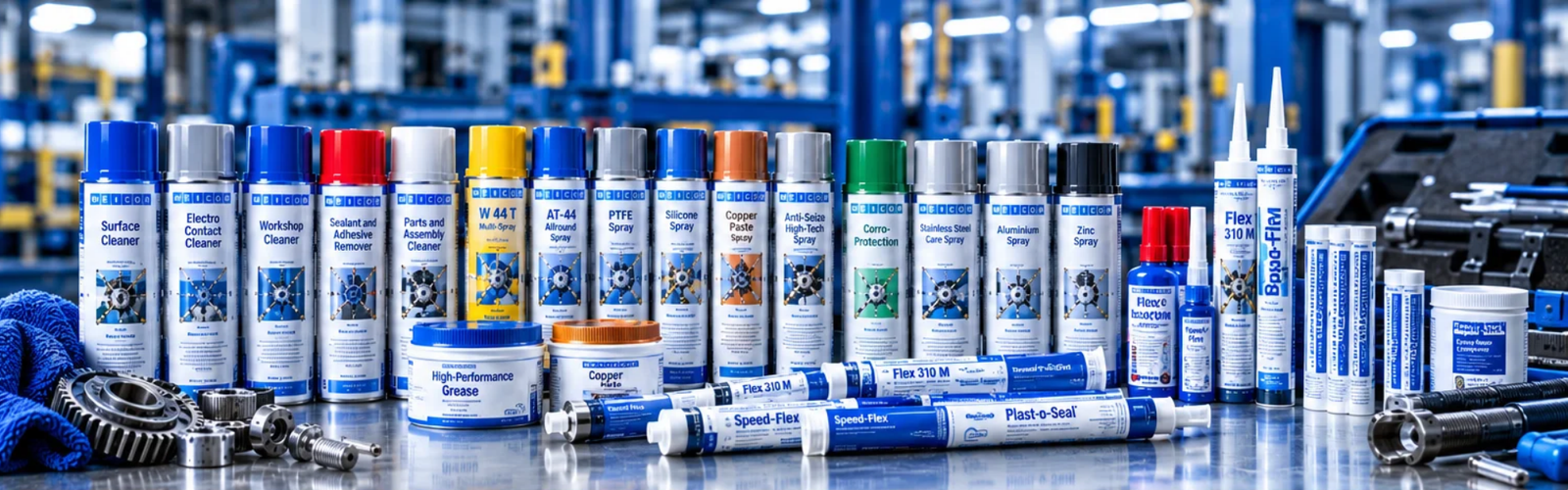
- Technical sprays
- Cleaning products
- Maintenance-related products
- Replacement components
The correct product should always be selected based on the equipment manufacturer's requirements and the specific maintenance application.
Frequently Asked Questions
What is preventive maintenance?
Preventive maintenance is a planned approach to inspecting, servicing and maintaining equipment before major failures occur.
What is an example of preventive maintenance?
An example is inspecting and servicing a production machine at a scheduled interval according to manufacturer recommendations rather than waiting for it to fail.
Why is preventive maintenance important?
It helps businesses plan maintenance activities, monitor equipment condition and address maintenance requirements before they become larger operational problems.
How often should preventive maintenance be performed?
There is no universal frequency. Maintenance intervals depend on the equipment, manufacturer's recommendations, operating hours, environment and business requirements.
What equipment needs preventive maintenance?
Potentially any equipment where planned maintenance provides value, including machinery, motors, pumps, control panels, electrical systems and industrial automation equipment.
Can preventive maintenance eliminate equipment failures?
No. Preventive maintenance cannot guarantee that equipment will never fail. Its purpose is to improve maintenance planning, identify potential issues and support equipment reliability.
What should a preventive maintenance checklist contain?
It can include visual inspections, cleaning, lubrication, electrical checks, mechanical inspections, functional testing, component checks and documentation, depending on the equipment.
What is the difference between preventive and reactive maintenance?
Preventive maintenance is planned before failure, while reactive maintenance occurs after equipment develops a problem or fails.
What is the difference between preventive and predictive maintenance?
Preventive maintenance generally follows predetermined schedules or operating intervals, while predictive maintenance uses equipment-condition information to determine when maintenance may be required.
Is preventive maintenance suitable for industrial automation?
Yes. It can be applied to automation equipment including PLCs, sensors, drives, motors, control panels and related systems, provided the maintenance tasks are appropriate for the equipment.
Conclusion
Preventive maintenance is an important part of managing industrial equipment effectively.
Instead of relying entirely on emergency repairs after equipment failure, businesses can use planned inspections, servicing and maintenance activities to better manage equipment condition and maintenance requirements.
A successful preventive maintenance program should be based on the actual equipment, manufacturer recommendations, operating conditions and business priorities.
The process can be summarised as:
Identify → Inspect → Plan → Maintain → Document → Review
For industrial businesses, this approach can provide better maintenance visibility, improve planning and support reliable operation across machinery, electrical systems and industrial automation equipment.
If your business is developing or improving its maintenance strategy, start by identifying your critical equipment, reviewing manufacturer recommendations and creating a practical maintenance schedule for your team.
Looking for industrial maintenance products in Australia?
Explore Spleca's range of industrial automation products, electrical components, professional tools and maintenance solutions, or contact our team to discuss your requirements.
Explore Industrial Automation Products